




Anything to Video Generator for URLs and Documents
Sign In

Anything to Video Generator for URLs and Documents

Use one public webpage or one supported document selected for a single generation to direct a short visual concept built from the most useful idea in that source with Wan 3.0. Edit the brief, choose settings, generate, and verify the completed clip.

CreditsCost
Wan 3.0 · anything to video

Use a public HTTP or HTTPS page that opens without a login. Review generated facts, labels, and claims.

Public VisibilityAllow this result to appear in public inspiration surfaces.

Wan 3.0

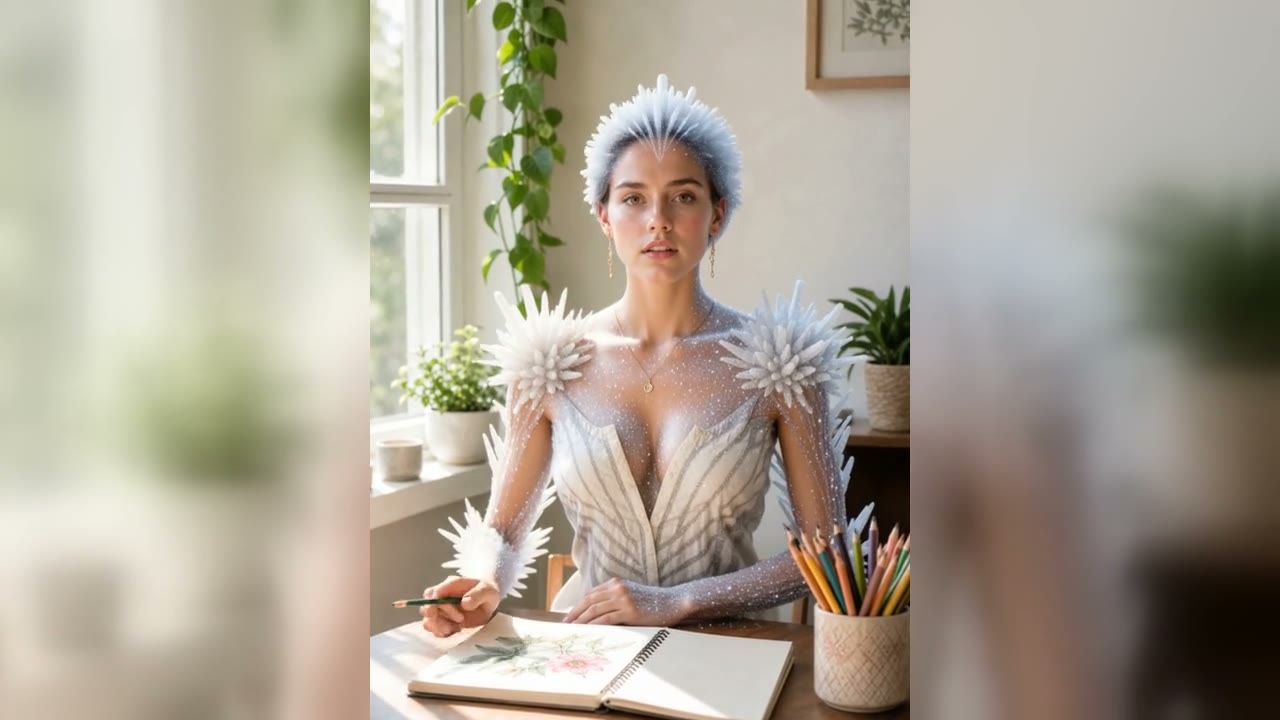
AI output preview

A short source-led video generated with Wan 3.0.

Turn a Source Into a Reviewable First Draft

This Wan 3.0 workflow helps generalist creators, small teams, agencies, teachers, and rapid prototyping workflows turn one public webpage or one supported document selected for a single generation into a short visual concept built from the most useful idea in that source. Wan 3.0 interprets source context and creates new scenes, so the workflow is designed for direction and review rather than exact recording. Start with one message, describe the visual sequence, and compare every completed frame with the original before publication.

How the Anything to Video Generator Works

Move from an authorized source to a focused, reviewable Wan 3.0 clip in four deliberate steps.

1. Select one usable source

Start with one public webpage or one supported document selected for a single generation. The source should be authorized, stable, and narrow enough to understand in one pass. FluxKlein sends the selected reference context to Wan 3.0; it does not crawl an entire private workspace or combine an unlimited asset library. Remove confidential information, confirm that remote pages open without authentication, and choose the source that best represents the message you want the finished video to communicate.

2. Write a visual brief

Tell the model who the video is for, what the viewer should learn, and what should appear on screen. Prioritize one source, one audience, one message, and one visible outcome. A useful prompt describes the subject, setting, camera behavior, pacing, and ending. It also states what must not be invented. Short, concrete direction usually gives a more reviewable first draft than copying a long block of source text into the prompt.

3. Choose a reviewable format

Select an aspect ratio that matches the destination and begin with the short 480P option shown in the generator. Landscape works well for explainers and product narratives; portrait suits mobile-first social drafts. Keep audio disabled unless sound is necessary to the test. The goal of the first generation is to evaluate story structure, source alignment, motion, and framing before committing to a broader production workflow.

4. Generate and inspect the complete clip

Watch the result from the first frame to the last. Compare names, facts, colors, products, people, interface details, claims, and calls to action with the source. “anything” does not include private systems, unsupported binaries, multiple files at once, or guaranteed verbatim conversion. Regenerate with a narrower brief when the clip introduces unsupported material. Treat the output as an editable creative draft, not as proof that every statement in the source was reproduced exactly.

Choose a Source the Model Can Interpret

Source selection determines whether the generated video has a coherent evidence base. Prepare one focused reference before writing the visual brief. Assign a reviewer before generation and decide what evidence that reviewer will receive. The source, visual brief, selected settings, and completed media should travel together so nobody evaluates an isolated clip without context. When a source changes, create a new review version instead of silently reusing an old approval. This is especially important for campaigns, training, product communication, and client work where a small wording change can alter the meaning of the final video.

Use one primary source

Choose the single URL or document that best represents the message. A narrow source gives the model a clearer subject, hierarchy, and visual direction than a collection of unrelated links. If a campaign spans several pages, generate separate drafts for each message and combine only the reviewed clips later.

Confirm public access

A webpage should load without login, paywall, private-network access, temporary cookies, or consent steps that hide the useful content. Open the exact URL in a clean session before generation. For documents, confirm the format and size shown by the uploader and remove password protection or unsupported embedded objects.

Remove sensitive material

Do not submit customer records, private analytics, personal identifiers, confidential roadmaps, regulated data, or content you lack permission to process. Create a redacted source that preserves only the information needed for the video. Generation convenience never replaces privacy, copyright, or client approval requirements.

Record the facts that must survive

Before generating, list the names, numbers, product attributes, sequence, and approved claims that cannot change. Put the most important boundaries into the prompt, then use the list during review. This converts a subjective “looks good” decision into a repeatable source-accuracy check.

Write a Source-Led Video Prompt

Translate source meaning into concrete visual direction without copying every sentence into the prompt.

Lead with the communication goal

Open the prompt with the single outcome you want: a short visual concept built from the most useful idea in that source. Name the intended viewer and the point they should remember. This helps the model decide which source details deserve screen time. Avoid asking for several unrelated stories in one short clip. When every sentence has equal priority, the result may feel like a montage rather than a coherent explanation.

Describe scenes, motion, and pacing

Specify a simple beginning, middle, and end. Describe the environment, subject placement, camera movement, transitions, tempo, and final frame. Use observable direction such as “begin with a wide context shot, move to the product detail, and end on the approved action.” Avoid relying on abstract adjectives alone. Concrete visual instructions make it easier to judge whether Wan 3.0 followed the plan.

Set accuracy boundaries

Tell the model not to invent numbers, quotations, endorsements, certifications, user-interface labels, logos, or legal claims. If exact on-screen text matters, plan to add it in an editor after generation rather than trusting generative typography. Ask for clean areas where captions can be placed. For people or branded products, request continuity while accepting that generative video cannot guarantee identity or geometry frame by frame.

Anything to Video Generator Use Cases

Practical ways generalist creators, small teams, agencies, teachers, and rapid prototyping workflows can explore a source-led video before a full production commitment.

Fast idea validation

Use one public webpage or one supported document selected for a single generation to prepare a short visual concept built from the most useful idea in that source. This scenario is useful for generalist creators, small teams, agencies, teachers, and rapid prototyping workflows when a fast motion draft can clarify direction before editing, voice-over, captions, or final brand review. Keep the first version focused on one message and one audience. Compare the generated story with the source, then record the prompt and settings that produced the most usable structure.

Cross-format content draft

Turn an approved source into a short concept that stakeholders can watch together. Define the decision the clip is meant to support, whether that is narrative order, visual style, pacing, or audience fit. Do not use the generation as a substitute for factual, legal, accessibility, or brand approval. A compact test is most valuable when reviewers know exactly which questions they are answering.

Campaign concept test

Explore how the source could become a visual sequence without committing to a finished campaign. Keep essential claims outside the generative image when exact wording matters, and plan captions or graphics separately. Review subject continuity, scene logic, camera motion, and the relationship between the source and the ending. Save only outputs that remain understandable without unsupported context.

Review the Video as a Generated Draft

A polished clip can still depart from its source. Evaluate meaning, continuity, rights, and delivery before treating the result as publishable. Review should also include the first and last frames, transitions, pacing, source attribution, and the final delivery context. Check the result at normal speed and frame by frame, then compare it with the original reference and the written brief. Record unsupported additions, missing qualifications, identity changes, typography errors, and rights questions before deciding whether to regenerate, edit, or reject the draft.

Compare meaning before style

Watch once for the central message and compare it with the source before judging camera movement or aesthetics. Reject a visually attractive draft if it changes the audience, promise, qualification, or conclusion. A useful video should preserve intent even when it expresses that intent through newly generated scenes.

Inspect every visible detail

Pause on products, people, hands, logos, interfaces, labels, numbers, packaging, and background text. Look for duplicated objects, geometry drift, invented controls, unreadable typography, and inconsistent identity. Add exact copy in a video editor when wording matters instead of relying on generated text.

Check sound and accessibility separately

If audio is enabled, review speech, music, timing, pronunciation, and rights independently from the picture. Plan captions, contrast, safe text areas, and a transcript for the final channel. A video is not ready merely because motion renders correctly; viewers must also understand it without hidden context.

Document the next revision

Write down one change for the next generation, such as narrowing the message, simplifying a shot, correcting an unsupported claim, or slowing the camera. Change one variable at a time so the team can identify what improved. Preserve the source, prompt, settings, and accepted output for an auditable handoff.

What Wan 3.0 Cannot Guarantee

Understand what reference generation can and cannot promise before relying on the result.

This is generation, not deterministic conversion

Wan 3.0 interprets reference context and creates new frames. It is not a screen recorder, slide exporter, browser capture tool, document parser with guaranteed citations, or pixel-locked compositor. The same source and prompt can produce different scenes. Use a conventional capture or editing workflow when every word, interface state, page, diagram, or product detail must remain exact.

One source should support one clear story

The interface is designed around one public URL or one uploaded source for a generation. That constraint encourages a clear test and does not promise batch ingestion, multi-document retrieval, private-site access, or automatic fact checking. Divide a large campaign or document into separate briefs when several themes deserve their own clips, then edit the approved outputs into a longer sequence.

Anything to Video Generator FAQ

What does the Anything to Video Generator create?

It creates a short visual concept built from the most useful idea in that source from one public webpage or one supported document selected for a single generation. Wan 3.0 uses the source as reference context and generates new video frames; it does not make a literal recording or guaranteed page-by-page conversion.

Which model is used?

The generator is locked to Wan 3.0 for this workflow. Confirm the visible model label, duration, resolution, aspect ratio, and task cost in the live controls before submitting because routing and available settings can change.

What source can I use?

Use one public webpage or one supported document selected for a single generation. The source must be authorized and accessible to the workflow. Never upload confidential, personal, regulated, paywalled, or rights-restricted material without the necessary permission.

Will the result preserve every fact and detail?

No. The word “anything” does not include private systems, unsupported binaries, multiple files at once, or guaranteed verbatim conversion. Check the completed clip against the original source and correct or remove any unsupported claim, label, number, identity, logo, or product detail before publishing.

Is this a screen recorder or slide exporter?

No. The tool generates a new visual sequence from reference context. Use screen recording, presentation export, or deterministic video editing when the exact interface, page layout, slide order, text, cursor movement, or timing must be preserved.

How should I write the prompt?

State the audience, the one takeaway, one source, one audience, one message, and one visible outcome, the desired scene order, camera behavior, visual style, and final frame. Add explicit boundaries against invented numbers, quotations, logos, labels, or claims.

Try the Anything to Video Generator with Wan 3.0

Choose one public webpage or one supported document selected for a single generation, direct one clear story, and review the generated video before you publish.